Talkguest, honestly compared to the platforms you're also evaluating.
Talk with Guest is one option in a well-served market. These comparison pages are the ones we would write for a friend running a boutique in Lisbon, a hostel in Porto or an aparthotel in Madeira — no strawman feature checks, no scoring where the numbers were quietly designed to favour us.
The positioning, in three sentences
Talkguest is a Portugal-native, messaging-first operations platform for independent hotels, hostels and aparthotels between roughly 8 and 200 keys, priced per property per month with everything included and hosted in the European Union. It is not a starter tool and it is not an enterprise platform — it is the tier that suits a property that has outgrown a booking calendar plus a channel manager, and does not want to grow into a system that expects a full IT department behind it.
Every comparison below is written against that positioning. If your property sits below the range — say a two-key guesthouse in the Alentejo — a starter platform will suit you better and we will say so. If your property sits above the range — a 400-key resort with an in-house revenue team — an enterprise platform will fit your operating model more naturally. Between those two ends is the market Talkguest was designed for.
Four side-by-side reads
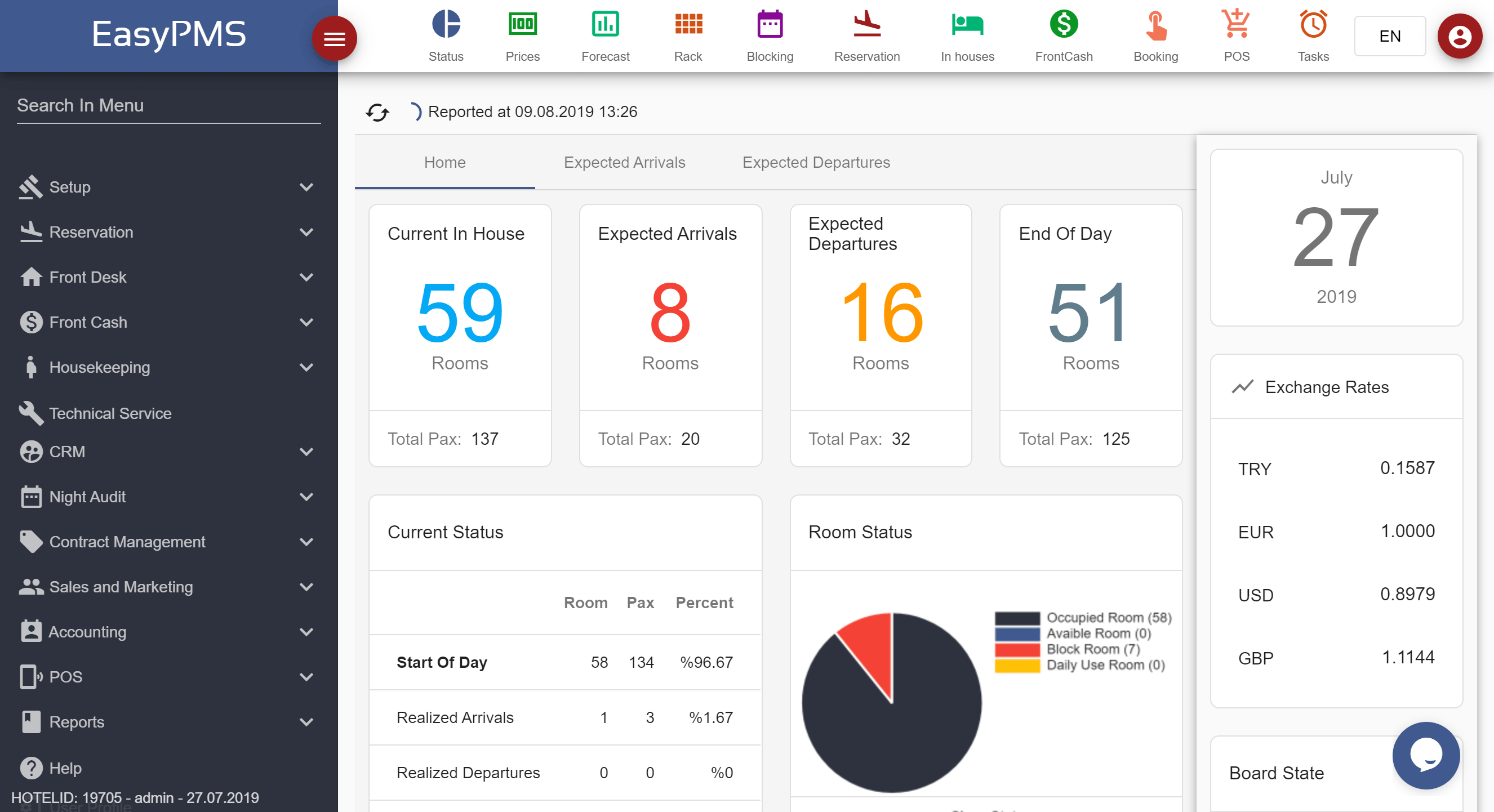
Talkguest vs Cloudbeds
How a Portugal-native platform with WhatsApp-first messaging compares to a large multi-region PMS suite on pricing, factura and EU data residency.
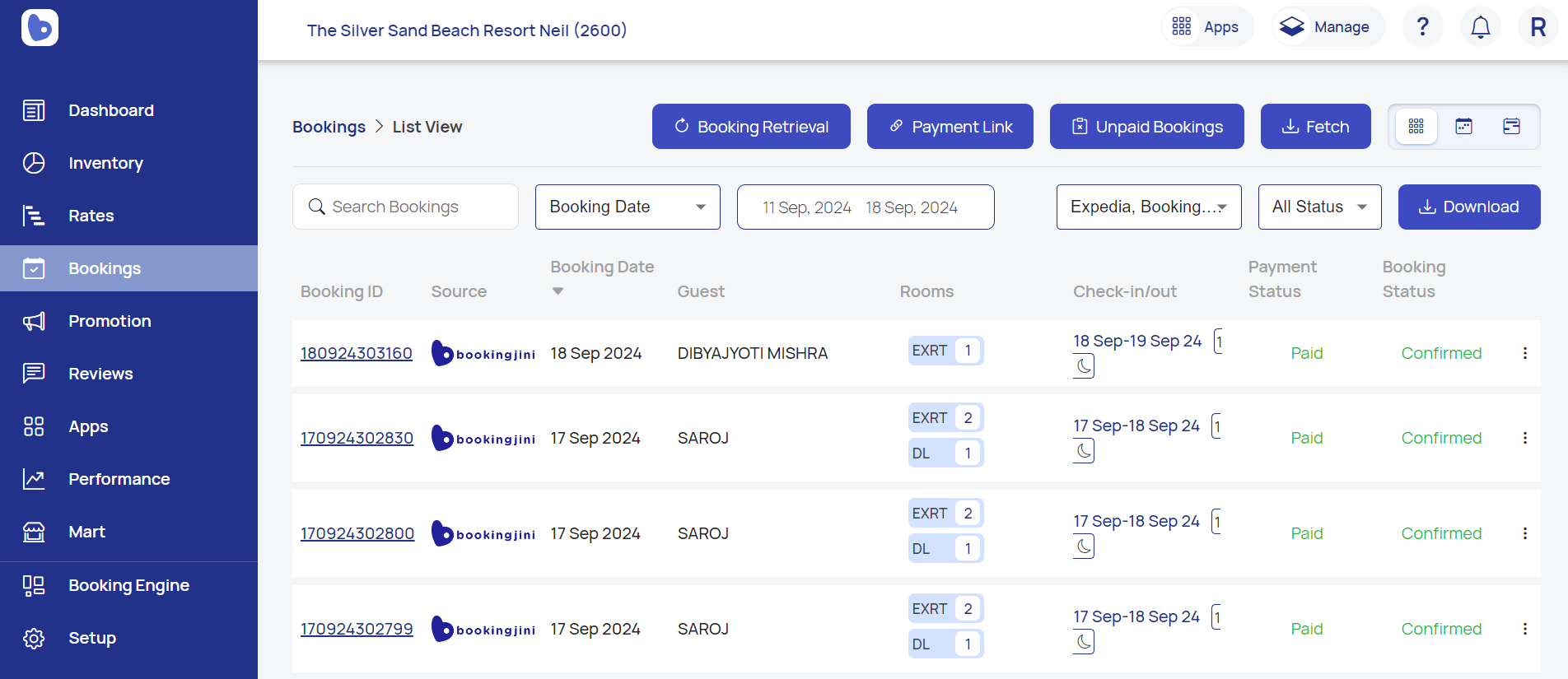
Talkguest vs Mews
A lean, boutique-focused platform against an enterprise-scale system. Where the two overlap, where they diverge, and which properties should look at which.
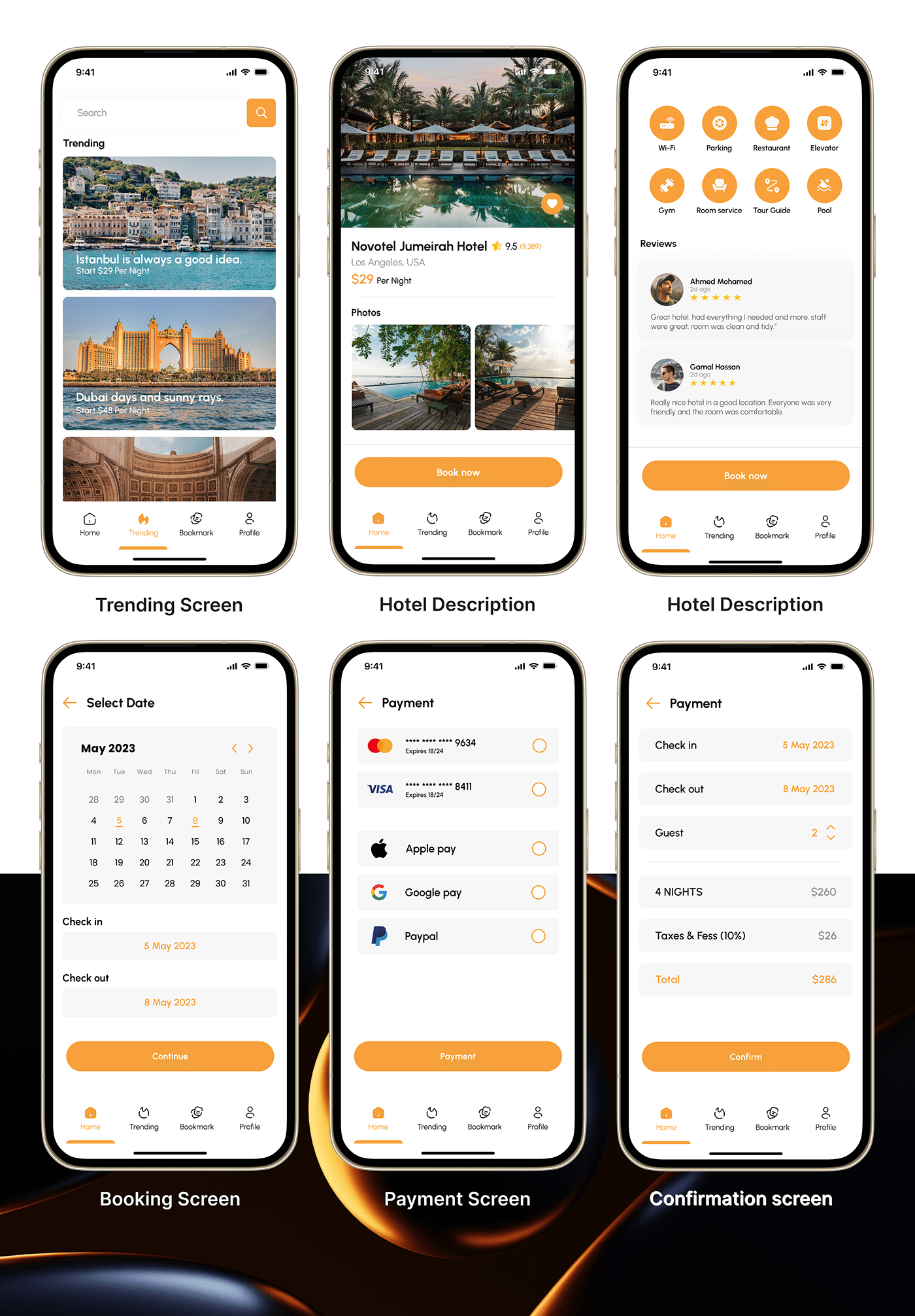
Talkguest vs Little Hotelier
Little Hotelier is the entry point for small independents. Talkguest is a tier up for boutique groups that have outgrown a starter-level PMS.
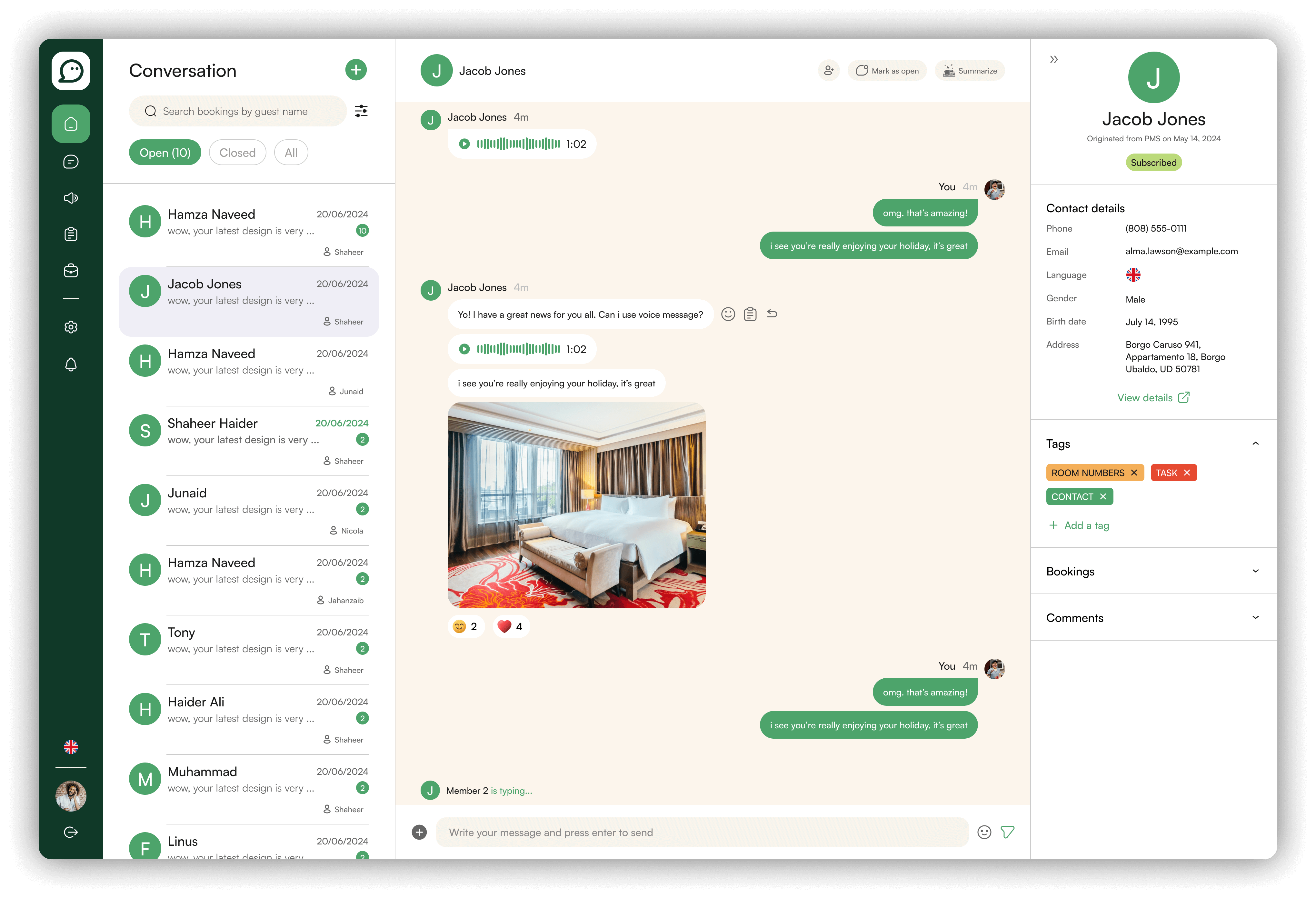
Talkguest vs Sirvoy
Sirvoy is a lightweight booking system. Talkguest is a messaging-native operations hub. This page shows exactly which trade-off matches which property.
Six axes, and how much each of them should weigh for your property
Every comparison uses the same six axes. If you know your own priorities, you can skip to the axis that matters most and read only that section. The six are: pricing model and total cost of ownership; data residency and GDPR posture; guest-messaging depth; Portuguese fiscal compliance and factura; channel-manager depth; and migration path from your current system.
Pricing model. Talkguest is per-property, per-month, with all modules included. Some competitors price per room, some per module, some with commission-based line items on top of a monthly fee. A property with 40 rooms will land in very different total-cost-of-ownership brackets depending on which model applies. We publish full pricing on the pricing page; the comparison pages carry a like-for-like TCO example for a 24-key boutique.
EU data residency. Talkguest hosts guest data exclusively in EU-only data centres — Lisbon primary, Frankfurt secondary, with no data ever leaving the European Economic Area. Vendors that host in a US region and expose an EU sub-processor are technically GDPR-compliant but expose you to CLOUD Act enquiry risk. If your property serves EU residents this axis matters more than it looks.
Guest-messaging depth. Talkguest was designed messaging-first — WhatsApp is a first-class channel, not a bolt-on. Templates, session windows, media, group chats, multilingual routing and automatic assignment are on-platform. Other systems support WhatsApp through a partner or through an add-on. If your property responds to guests within three minutes and treats that as an operational KPI, this axis is decisive.
Portuguese fiscal compliance. Factura sequences, VAT profiles per rate plan, monthly SAF-T (PT), certified series numbering, Autoridade Tributária submissions — Talkguest was built around Portuguese fiscal reality first, then internationalised. Global platforms handle Portugal via a partner module. If your accountant is Portuguese, this axis is very important.
Channel-manager depth. Booking.com, Expedia, Airbnb, Google Hotels and HostelWorld are the volume channels for our market. Talkguest carries direct connections to all five, two-way, with rate parity monitoring and automatic price-drop alerts. Some competitors resell a third-party channel manager. This axis matters more for hostels and less for boutique hotels.
Migration path. The switch from your current system is a real operational event and the vendor's readiness to run it matters more than any single feature. Talkguest ships a migration engineer with every onboarding at no extra cost; see the migration hub for the specific playbooks. Other platforms treat migration as billable professional services.
The honest disclaimers
We do not run "feature-count" scoreboards where the winner is whoever ticks the most boxes on a spreadsheet we designed. Feature counts are meaningless — a platform can list 400 features and none of the four your operation actually needs. Every comparison is written around the six axes above, not around a comprehensive checklist.
We do not compare uptime numbers. Every serious vendor has a status page and a published SLA. If you want to compare, look at their status pages side by side over the last twelve months — that is more meaningful than the marketing number.
We do not publish price-per-month numbers for our competitors. Their pricing changes and their published rack rates are usually not what a real customer pays after negotiation. What we do publish is our own pricing, transparently, on the pricing page, and a like-for-like TCO example for a 24-key boutique in each comparison so you can benchmark against a real quote from the other vendor.
We do not write "why Talkguest is better" pages. Every comparison closes with a "when to pick the other platform" section — because different properties have different needs, and pretending otherwise is how vendors lose credibility.